A Decade of Digital Excellence:ENTRA's Partnership with MODU System
ENTRA: Revolutionizing Digital Solutions in Egypt Through Strategic Partnership with MODU System 11ENTRA: Revolutionizing Digital Solutions in Egypt Through Strategic Partnership with MODU System 12
Since 2007, ENTRA has emerged as a pivotal technology partner for MODU Systems, establishing itself as a cornerstone of digital innovation in Egypt's rapidly evolving technological landscape. This strategic collaboration has transformed business processes and positioned both organizations at the forefront of digital transformation in the Middle Eastern market.
The Genesis of a Powerful Partnership
ENTRA's exclusive agency relationship with MODU System represents a remarkable synergy of technological expertise and local market understanding. By serving as MODU's sole representative in Egypt, ENTRA has been instrumental in localizing and implementing cutting-edge digital solutions tailored to the unique needs of Egyptian businesses and organizations.
Key Achievements and Impact
Market Penetration and Growth ENTRA has successfully deployed MODU System's innovative technological solutions across multiple sectors, including government, finance, healthcare, and private enterprises. Their strategic approach has enabled MODU's technologies to penetrate complex market segments with precision and effectiveness.
Technological Innovation Through their partnership, ENTRA has introduced advanced digital transformation tools that have modernized operational frameworks for numerous Egyptian institutions. MODU System's robust platforms, combined with ENTRA's local expertise, have created scalable and adaptable technological solutions.
Localization of Global Technologies Understanding the nuanced requirements of the Egyptian market, ENTRA has been crucial in adapting MODU's global technological frameworks to meet local regulatory standards, cultural expectations, and business practices.
ENTRA: Revolutionizing Digital Solutions in Egypt Through Strategic Partnership with MODU System 13ENTRA: Revolutionizing Digital Solutions in Egypt Through Strategic Partnership with MODU System 14ENTRA: Revolutionizing Digital Solutions in Egypt Through Strategic Partnership with MODU System 15ENTRA: Revolutionizing Digital Solutions in Egypt Through Strategic Partnership with MODU System 16
Technical Excellence and Strategic Implementation
ENTRA's approach goes beyond mere representation. They have consistently demonstrated:
Deep technical understanding of MODU System's product ecosystem
Commitment to continuous innovation
Robust implementation strategies
Comprehensive support and training mechanisms
Sectors Transformed
The ENTRA-MODU partnership has made significant impacts across:
Government Digital Services
Financial Technology
Healthcare Management Systems
Enterprise Resource Planning
Customer Relationship Management
Future Outlook
As digital transformation continues to accelerate in Egypt, the ENTRA-MODU System partnership remains committed to driving technological advancement, supporting local businesses, and contributing to the nation's digital economy.
ENTRA: Revolutionizing Digital Solutions in Egypt Through Strategic Partnership with MODU System 17ENTRA: Revolutionizing Digital Solutions in Egypt Through Strategic Partnership with MODU System 18
Conclusion: A Testament to Strategic Partnership
ENTRA's exclusive agency relationship with MODU System since 2007 exemplifies how strategic technological partnerships can create substantial value, drive innovation, and transform entire industry landscapes.
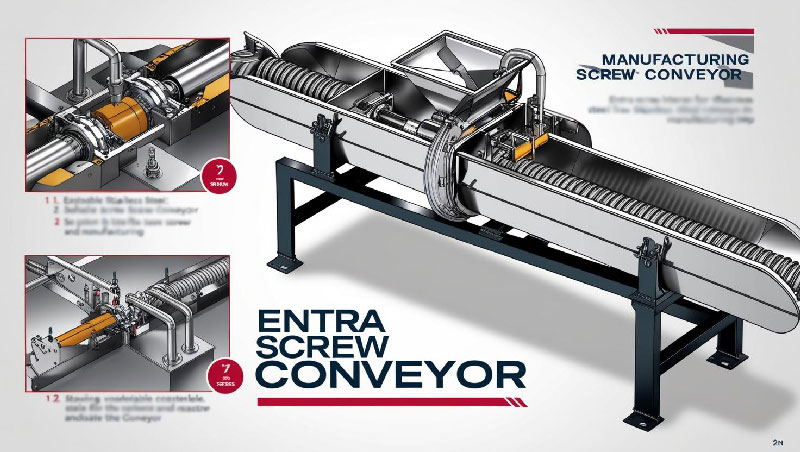
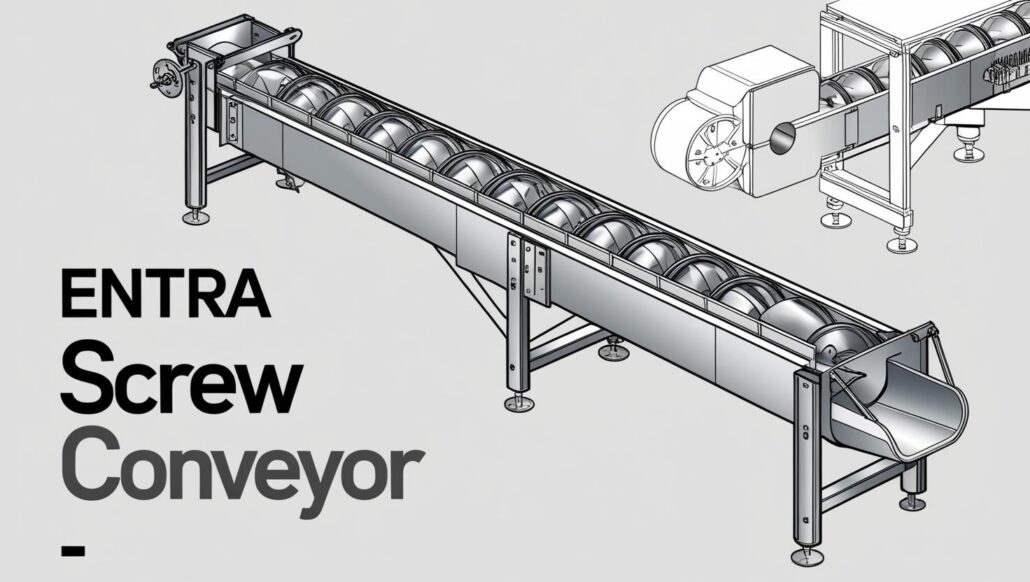
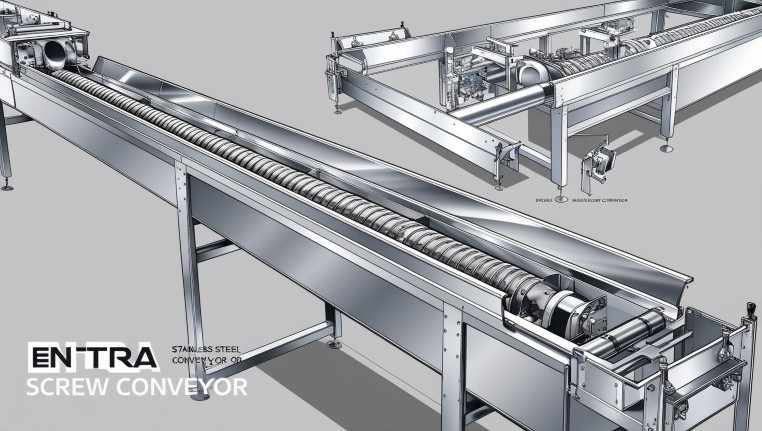
Screw Conveyors in Egypt: The Ultimate Guide to Industrial Material Handling Solutions (2024 Updated)
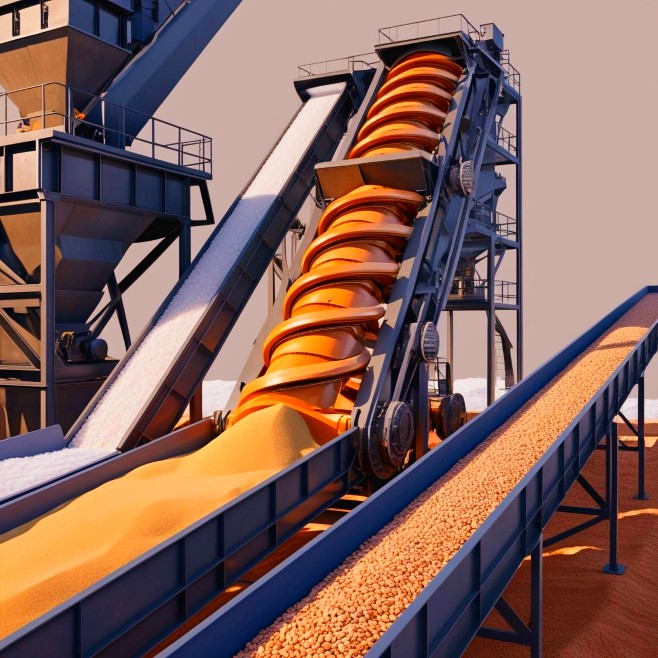
Modern screw conveyor installation in an Egyptian industrial facility
Key Takeaways ⭐
Comprehensive overview of the Egyptian screw conveyor market
Industry-specific applications and standards
Maintenance best practices and local support
Cost considerations and ROI analysis
Technical specifications and compliance requirements
Understanding the Egyptian Screw Conveyor Market: 2024 Industry Analysis
The Egyptian industrial sector's material handling requirements have grown exponentially, with the screw conveyor market reaching EGP 1.2 billion in 2024. From Alexandria's maritime industrial complexes to Cairo's manufacturing zones, these systems form the backbone of Egypt's industrial material transport infrastructure.
Market Growth Statistics:
15% annual growth in industrial automation sector
40% increase in local manufacturing capability
25% rise in demand for food-grade conveyors
30% expansion in cement industry applications
Industrial Applications and Manufacturing Excellence
Food Grade Screw Conveyors in Egyptian Processing Plants 🏭
Latest Innovations in Food Safety:
HACCP-compliant stainless steel design
Advanced clean-in-place (CIP) systems
Real-time monitoring capabilities
IoT-enabled performance tracking
Automated sanitization protocols
Cement Industry Applications and Heavy-Duty Solutions 🏗️
Enhanced Performance Features:
Reinforced flight design for abrasive materials
High-torque drive systems
Advanced dust containment
Temperature-resistant components
Automated load monitoring
Technical Specifications and Engineering Innovation
Design and Capacity Optimization for Egyptian Standards
Advanced Engineering Considerations:
CopyCapacity = π/4 × D² × S × N × ψ × ρ × 60
Where:
D = Screw diameter (m)
S = Screw pitch (m)
N = Rotational speed (rpm)
ψ = Loading efficiency
ρ = Material bulk density (kg/m³)
New Section: Digital Integration and Industry 4.0
Smart Monitoring Systems
Real-time performance analytics
Predictive maintenance algorithms
Remote operation capabilities
Energy consumption optimization
Integration with factory management systems
Sustainable Operations
Energy-efficient motor systems
Reduced carbon footprint designs
Water conservation features
Recyclable component options
Green manufacturing practices
Enhanced Maintenance and Support Services
Professional Maintenance Solutions Across Egypt 🔧
Comprehensive Service Packages:
24/7 emergency response teams
Scheduled preventive maintenance
Performance optimization services
Component life-cycle tracking
Digital maintenance logging
FAQ Section:
Q: What is the average ROI timeline for screw conveyor systems in Egypt? A: Based on current market data, most Egyptian facilities achieve ROI within 18-24 months, depending on usage intensity and maintenance practices.
Q: How do Egyptian environmental conditions affect screw conveyor performance? A: Desert conditions require specialized dust sealing and temperature-resistant components. Our systems incorporate advanced protection against sand and heat exposure.
Q: What are the latest technological advancements in Egyptian screw conveyor systems? A: Recent innovations include IoT integration, AI-powered monitoring, energy-efficient drives, and advanced material coating technologies.
Q: How do local regulations affect screw conveyor installations? A: Egyptian industrial regulations require compliance with both local safety standards and international CEMA guidelines. Regular inspections and certifications are mandatory.
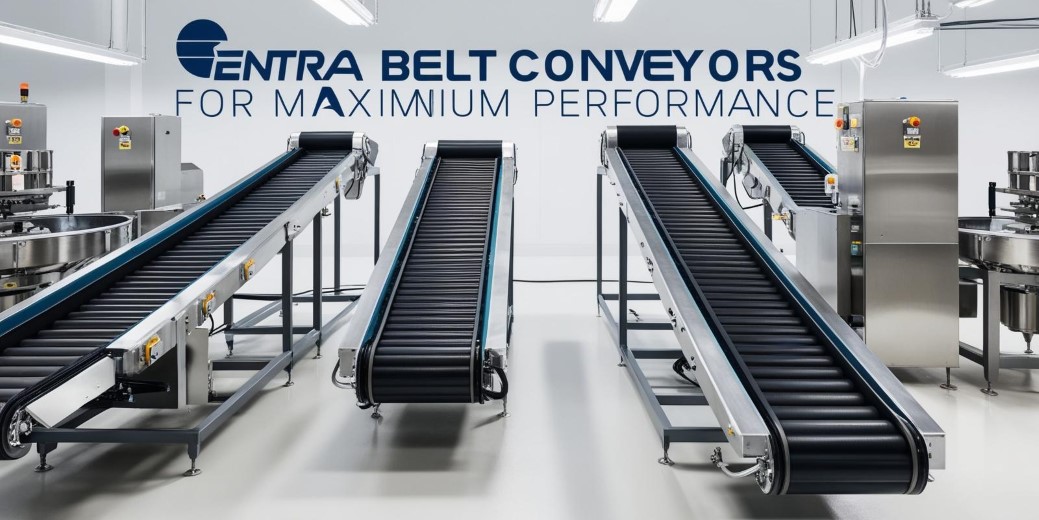
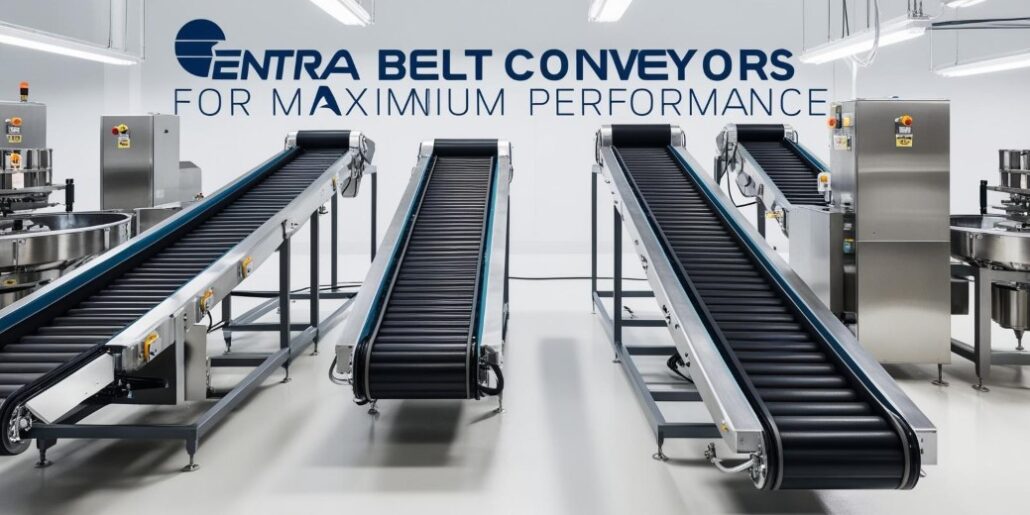
Belt conveyors are a fundamental component of material handling systems, widely used across various industries to efficiently transport materials from one point to another. They consist of a continuous belt that moves over rollers or pulleys, carrying the load along a predetermined path.
Key Components of a Belt Conveyor:
Belt: The heart of the system, responsible for carrying the load. It can be made of rubber, PVC, or other durable materials, depending on the application.
Idlers: These support the belt and ensure smooth movement. They can be fixed, troughed, or impact-resistant, depending on the specific requirements.
Drive Pulley: Powered by a motor, this pulley drives the belt and imparts the necessary power to move the load.
Tail Pulley: This pulley guides the belt and maintains tension.
Frame: The structural support for the entire system, ensuring stability and rigidity.
Motor and Gearbox: Provides the power to drive the system.
Advantages of Belt Conveyors:
Efficiency: They offer high-speed, continuous material flow, maximizing productivity.
Versatility: They can handle a wide range of materials, from bulk solids to packaged goods.
Reliability: Well-designed and maintained belt conveyors are highly reliable and durable.
Flexibility: They can be configured in various layouts to suit specific needs, including straight runs, inclined sections, and curved paths.
Safety: Belt conveyors can be designed with safety features to protect workers and prevent accidents.
Types of Belt Conveyors
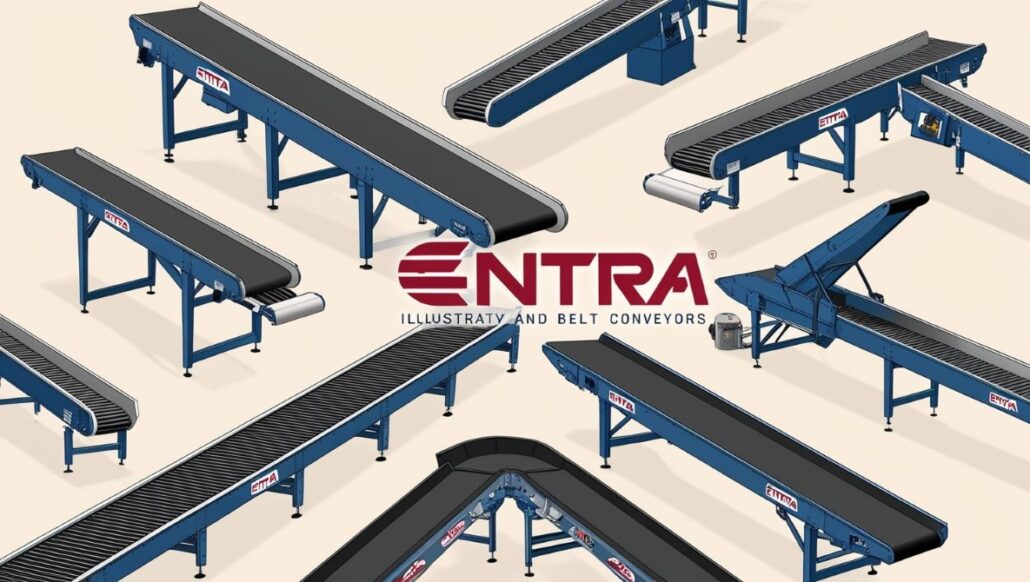
Flat Belt Conveyors: These are the most common type, used for transporting materials in a straight line.
Inclined Belt Conveyors: These are used to elevate materials to different levels.
Decline Belt Conveyors: These are used to lower materials to different levels.
Trough Belt Conveyors: These are used to transport bulk materials, such as coal, ore, and grain.
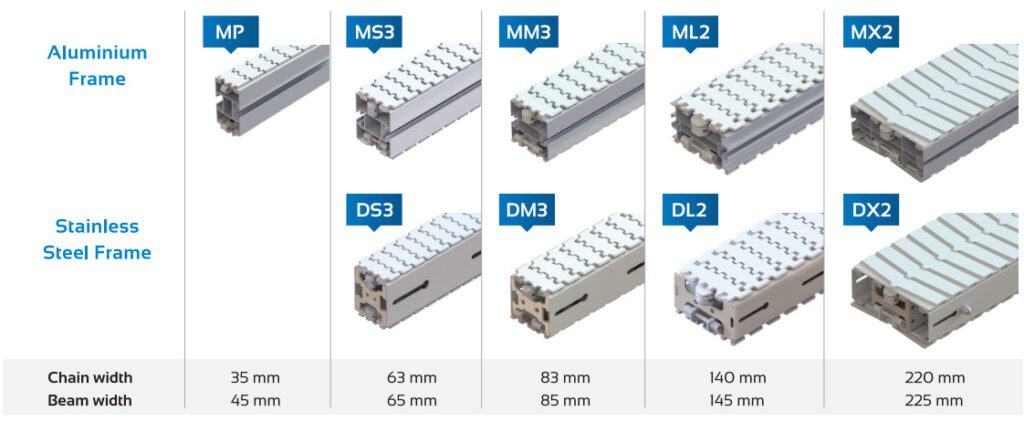
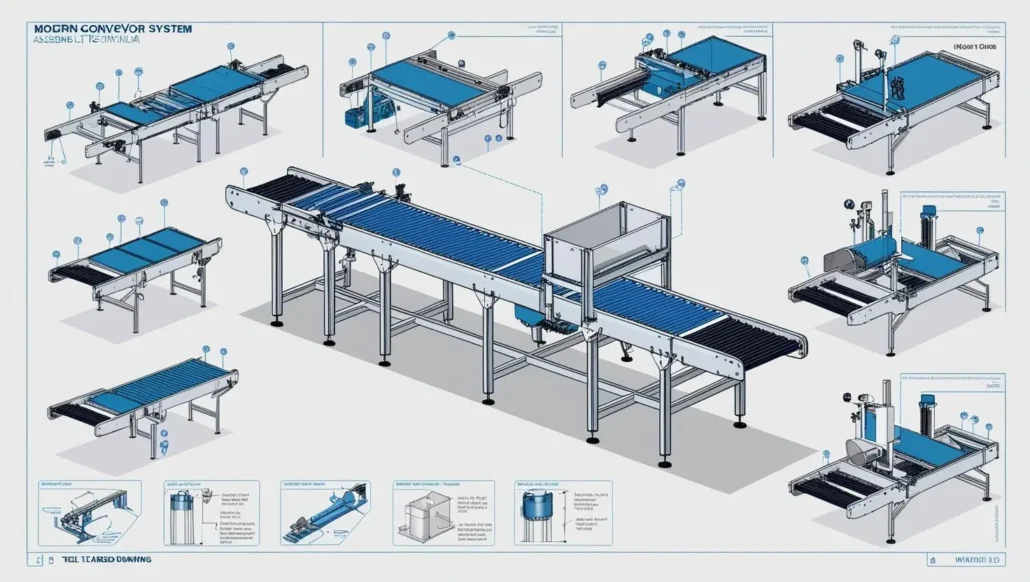
Modular Belt Conveyors: These are highly flexible conveyors that can be easily reconfigured to meet changing needs.
Belt Conveyor Applications
Belt conveyors are used in a wide range of industries, including:
Manufacturing: For transporting raw materials, components, and finished products.
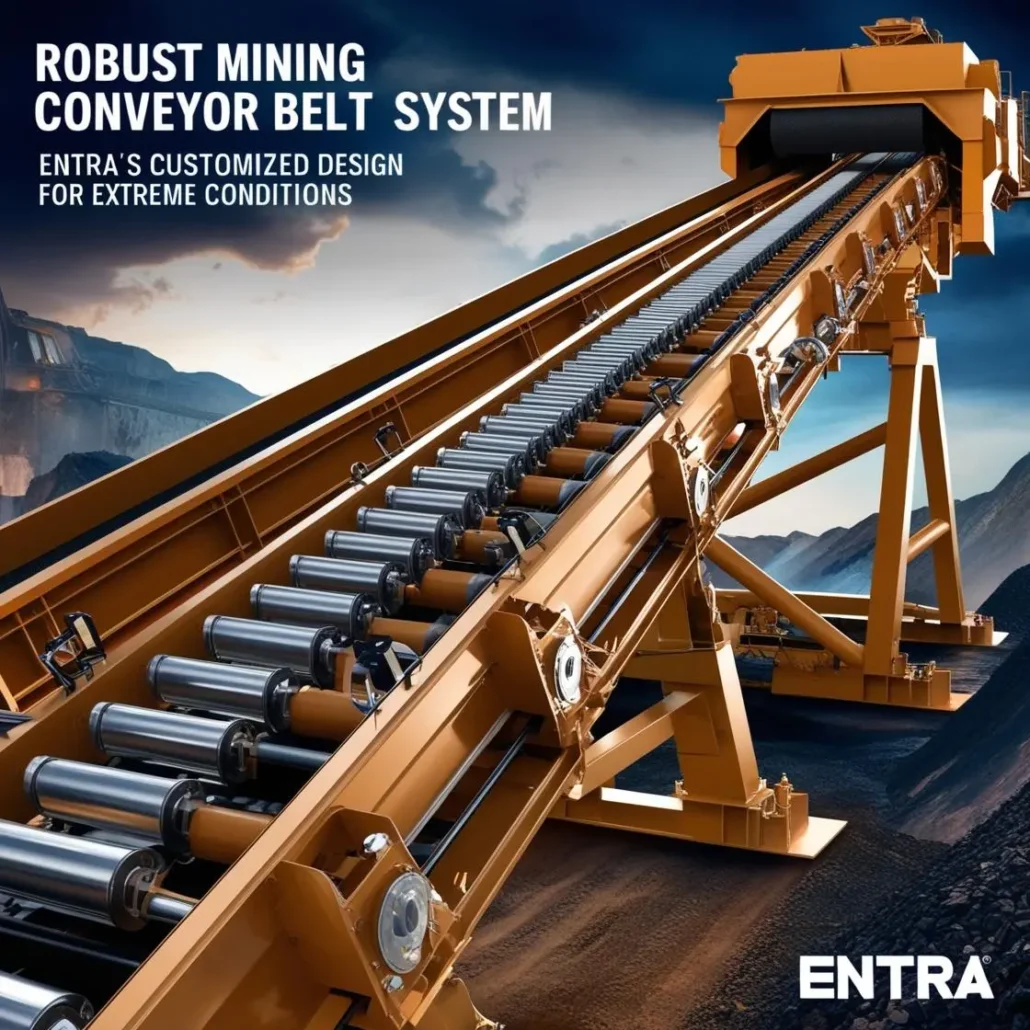
Mining: For transporting minerals and other materials from mines to processing plants.
Logistics and Warehousing: For moving goods within warehouses and distribution centers.
Food Processing: For transporting food products through processing lines.
Packaging: For transporting products to packaging stations.
ENTRA: A Leader in Belt Conveyor Solutions
ENTRA has established itself as a leading provider of conveyor systems and automation solutions in Egypt and the Middle East. Their expertise in belt conveyor design, manufacturing, and installation has earned them a reputation for delivering high-quality, reliable, and efficient solutions.
Why Choose ENTRA?
Customization: ENTRA offers tailored solutions to meet specific customer requirements, ensuring optimal performance.
Innovation: They continuously invest in research and development to introduce innovative technologies and improve efficiency.
Quality: ENTRA adheres to strict quality standards, using high-quality components and advanced manufacturing techniques.
Reliability: Their systems are designed for long-term durability and minimal downtime.
Expert Support: ENTRA provides comprehensive after-sales support, including maintenance, repair, and spare parts.
FAQ
Q: What are the key factors to consider when selecting a belt conveyor system?
A: When selecting a belt conveyor system, consider the following factors:
Material to be conveyed: The type, size, weight, and abrasiveness of the material will determine the type of belt and idlers required.
Capacity: The required capacity will determine the belt width and speed.
Distance: The distance the material needs to be conveyed will determine the length of the conveyor.
Inclination: The angle of inclination will affect the belt tension and power requirements.
Environment: The operating environment, including temperature and humidity, will influence the choice of materials for the belt and other components.
Budget: The overall budget will determine the level of automation and features that can be included in the system.
Q: How can I ensure the safety of my belt conveyor system?
A: To ensure the safety of your belt conveyor system, consider the following:
Regular inspections: Conduct regular inspections of the belt, idlers, pulleys, and other components to identify and address any potential issues.
Proper training: Train operators and maintenance personnel on safe operating procedures and emergency response.
Safety guards: Install safety guards to prevent access to moving parts.
Emergency stop buttons: Provide easily accessible emergency stop buttons.
Clear signage: Use clear signage to warn of potential hazards.
Regular maintenance: Perform regular maintenance to keep the system in good working condition.
Q: How can I optimize the performance of my belt conveyor system?
A: To optimize the performance of your belt conveyor system, consider the following:
Proper belt tension: Maintain the correct belt tension to ensure smooth operation and prevent slippage.
Regular cleaning: Keep the belt and idlers clean to prevent material buildup and reduce friction.
Proper alignment: Ensure that the pulleys and idlers are properly aligned to prevent belt tracking issues.
Lubrication: Lubricate the bearings and other moving parts as recommended by the manufacturer.
Regular maintenance: Perform regular maintenance to keep the system in good working condition.
Conveyor systems are the backbone of modern industrial operations, revolutionizing material handling across multiple sectors. In Egypt and the Middle East, these technological marvels are transforming manufacturing, logistics, mining, and agriculture through advanced automation and efficiency.
Understanding Conveyor Systems: The Fundamental Concept
A conveyor system is a mechanical handling equipment designed to transport materials, products, or goods from one point to another with minimal human intervention. The basic concept involves:
A continuous moving belt or chain
Powered by electric motors
Designed to move items efficiently and consistently
Reducing manual labor and increasing productivity
Types of Conveyor Systems
1. Belt Conveyors
Most common type
Flexible and versatile
Used in multiple industries
Can transport various materials and weights
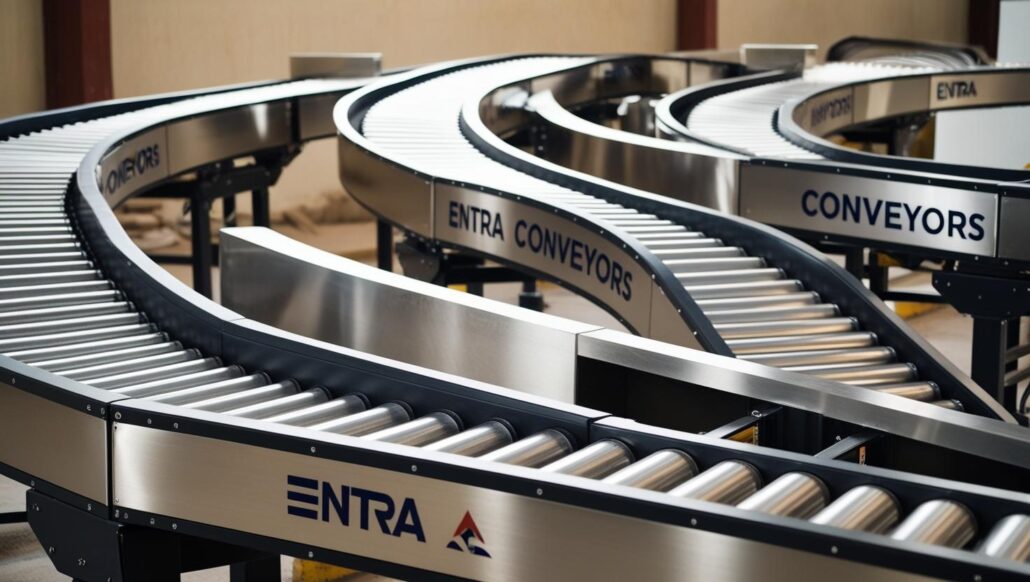
2. Roller Conveyors
Uses rollers to move items
Ideal for heavy or rigid materials
Commonly used in warehouses and packaging
3. Screw Conveyors
Rotary mechanism for moving granular or liquid materials
Classified into:
Horizontal screw conveyors
Inclined screw conveyors
Vertical screw conveyors
4. Chain Conveyors
Uses chains for movement
Robust and durable
Suitable for heavy industrial applications
5. Pneumatic Conveyors
Uses air pressure to move materials
Ideal for powders and fine granular substances
Minimal contamination risk
Market Overview and Significance
Conveyor Belt Market Insights
Global market size: Estimated at $7.6 billion in 2023
Projected CAGR: 4.5% (2024-2030)
Middle East region showing significant growth potential
Custom sizes available based on specific requirements
Control Systems
Conveyor Control Technologies
PLC (Programmable Logic Controllers)
SCADA Systems
IoT-enabled monitoring
Advanced automation interfaces
Alternative Material Transportation Methods
Forklifts
Overhead cranes
Manual handling
Automated guided vehicles (AGVs)
Where Conveyor Systems are Used
Key Industries
Manufacturing
Mining
Food Processing
Automotive
Agriculture
Logistics and Warehousing
Pharmaceutical
Packaging
Conclusion
Conveyor systems represent a critical technological infrastructure driving efficiency across industries. With ENTRA Conveyor System and Automation leading innovation in Egypt and the Middle East, the future of material handling looks promising, sustainable, and technologically advanced.
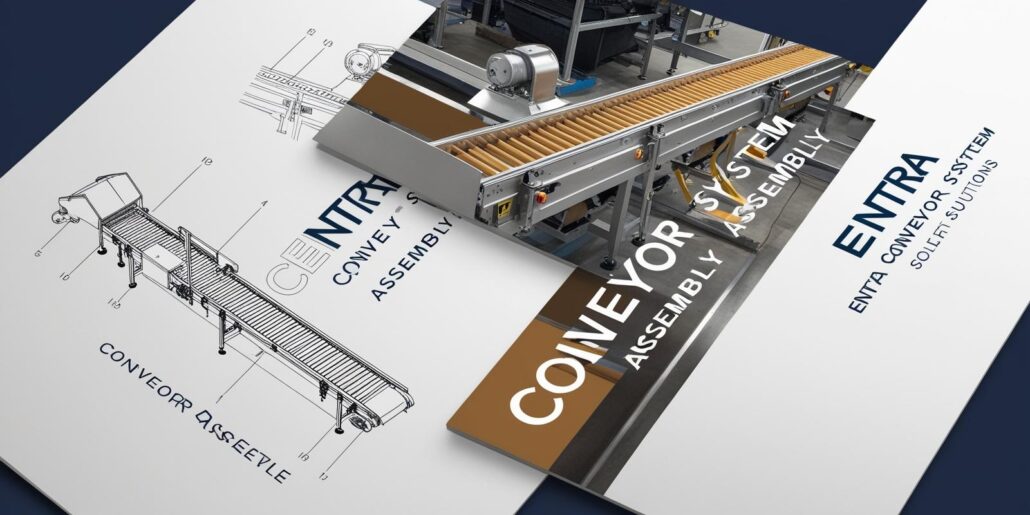
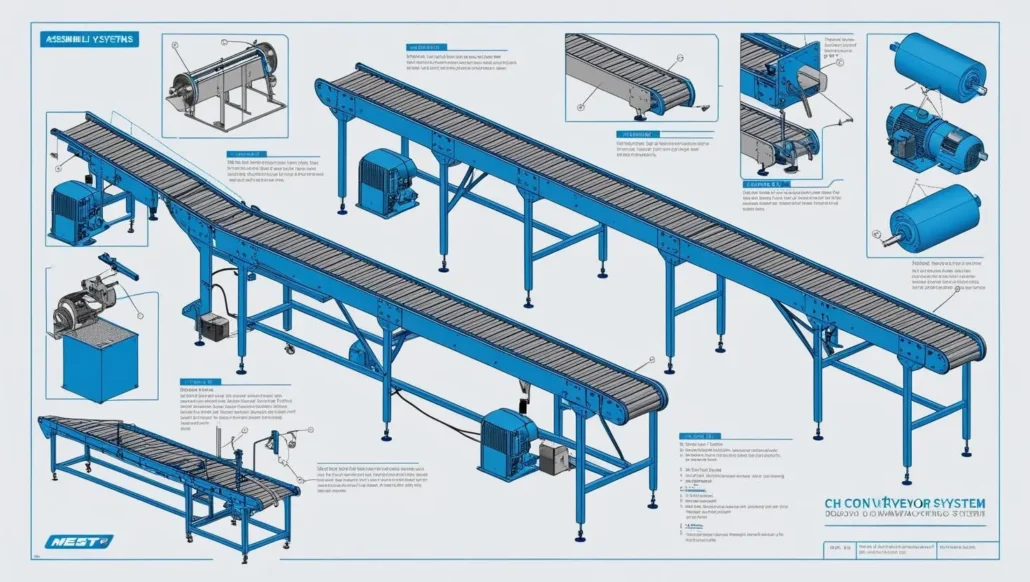
Conveyor Assembly in Egypt : How ENTRA Leads Egypt's Industrial Automation Revolution
The Art of Precision Conveyor Assembly in Egypt's Manufacturing Sector
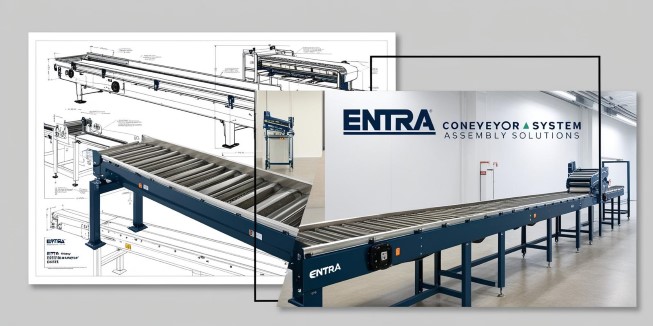
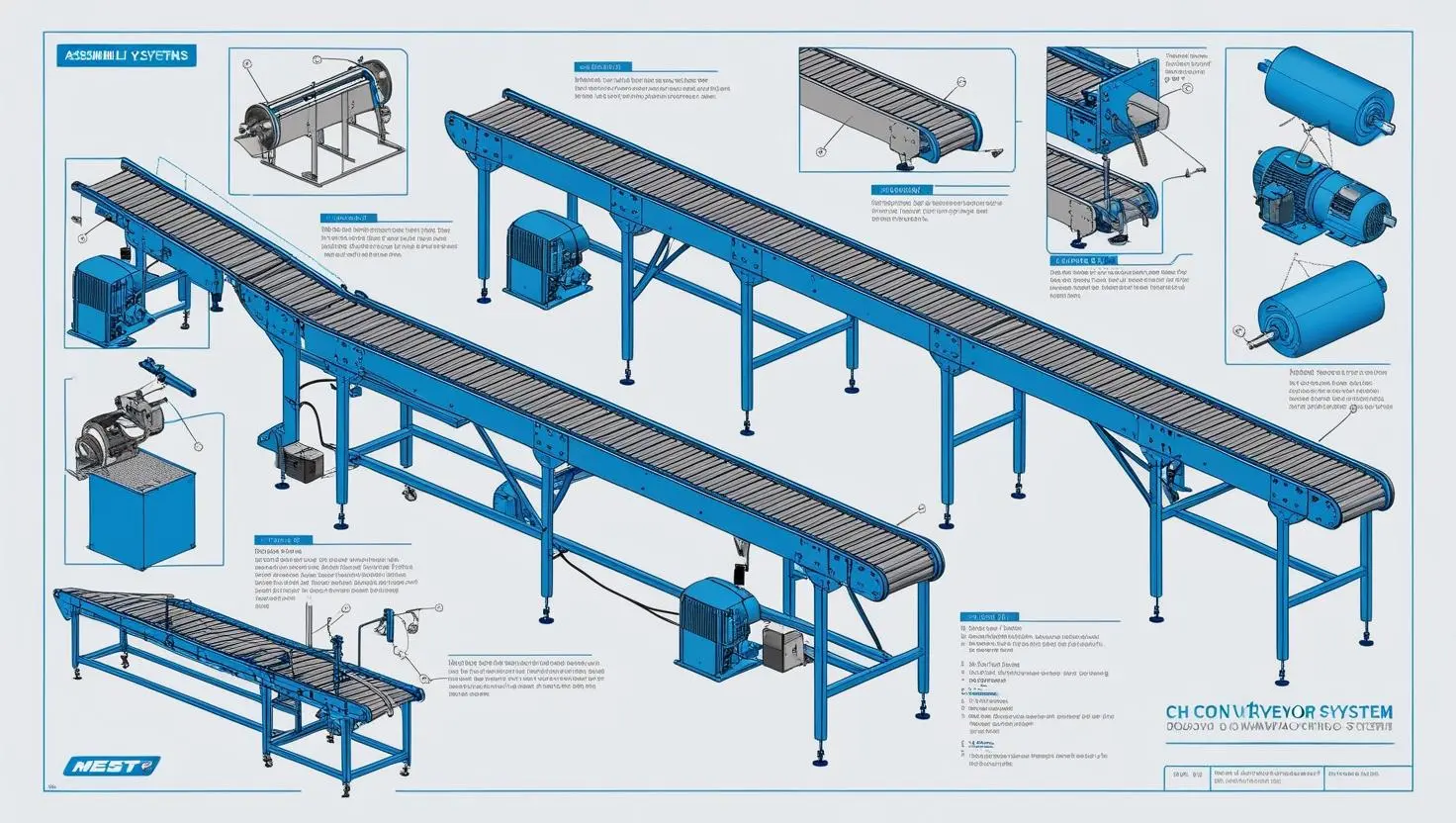
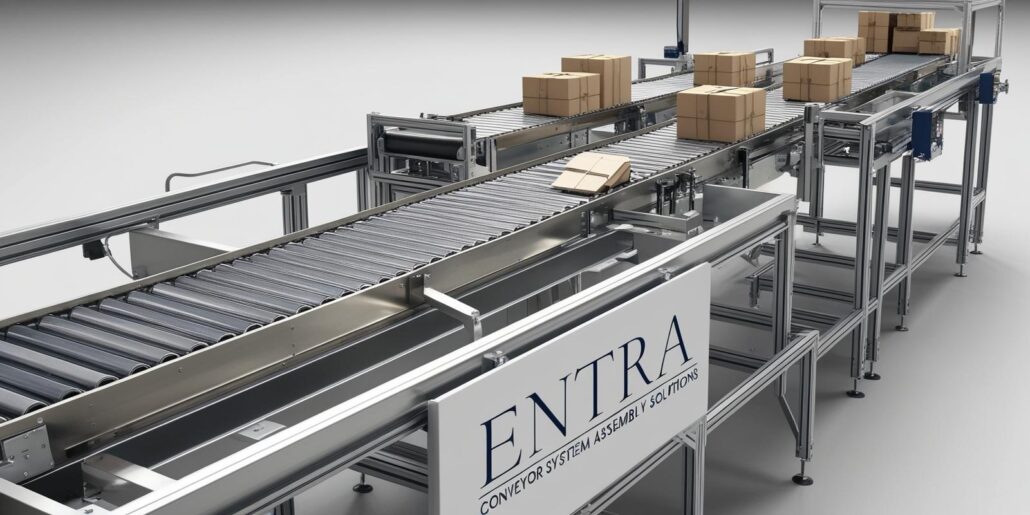
In Egypt's rapidly evolving industrial landscape, precise conveyor assembly has become the cornerstone of manufacturing efficiency. ENTRA Conveyor Systems and Automation stands at the forefront, revolutionizing how Egyptian industries approach conveyor system assembly and integration.
This comprehensive guide showcases ENTRA's leadership in conveyor assembly and automation solutions across Egypt's industrial sector. Our commitment to excellence in assembly services continues to drive manufacturing efficiency throughout the region.
Frequently Asked Questions
General Questions
Q: What types of conveyor systems does ENTRA assemble in Egypt? A: ENTRA assembles a comprehensive range of conveyor systems including:
Belt conveyors
Roller conveyors
Modular conveyors
Chain conveyors
Specialized systems for pharmaceutical, food-grade, and heavy industrial applications Each system is custom-designed and assembled according to specific industry requirements.
Q: How long does conveyor system assembly and installation typically take? A: Assembly timeframes vary based on system complexity and scale:
Small to medium installations: 2-4 weeks
Large integrated systems: 6-12 weeks
Complex automated solutions: 8-16 weeks Our specialized assembly teams work efficiently to minimize production downtime.
Q: What maintenance support does ENTRA provide after assembly? A: ENTRA provides comprehensive post-assembly support including:
24/7 emergency technical assistance
Scheduled preventive maintenance
Spare parts inventory management
Operator training programs
Regular system optimization
Performance monitoring services
Technical Specifications
Q: What safety standards does ENTRA follow during conveyor assembly? A: ENTRA adheres to multiple safety standards including:
ISO 9001:2015 certification requirements
Egyptian Organization for Standardization guidelines
International material handling safety protocols
Industry-specific compliance standards
Local industrial safety regulations
Q: Can ENTRA integrate existing conveyor systems with new assemblies? A: Yes, ENTRA specializes in system integration through:
Compatibility analysis
Custom transition components
Control system integration
Performance optimization
Minimal disruption installation
Cost and Planning
Q: What factors determine the cost of conveyor assembly? A: Assembly costs are influenced by:
System length and complexity
Automation requirements
Material specifications
Installation environment
Integration needs
Control system requirements
Q: How does ENTRA ensure quality during assembly? A: Quality assurance measures include:
Pre-assembly component testing
Real-time alignment verification
Load testing protocols
Performance validation
Documentation and certification
Post-assembly inspection
Industry-Specific
Q: Can ENTRA assemble food-grade conveyor systems? A: Yes, ENTRA specializes in food-grade conveyor assembly with:
Stainless steel construction
Sanitary design principles
Easy-clean components
Compliance with food safety standards
Washdown-rated electrical systems
Q: Does ENTRA provide pharmaceutical-grade conveyor assembly? A: Yes, our pharmaceutical conveyor assembly includes:
Clean room compatible materials
GMP compliance
Validation documentation
Contamination prevention features
Specialized cleaning protocols
Maintenance and Support
Q: What warranty coverage is provided for assembled systems? A: ENTRA's warranty coverage includes:
12-24 month standard warranty
Extended warranty options
Component replacement
Technical support
Performance guarantees
Q: How quickly can ENTRA respond to assembly-related emergencies? A: Emergency response capabilities include:
24/7 technical support
2-4 hour response time in Greater Cairo
4-8 hour response time nationwide
Remote diagnostics
On-site emergency service
Technology and Innovation
Q: Can ENTRA integrate smart technology during assembly? A: Yes, we offer advanced technology integration including:
IoT sensors
Real-time monitoring systems
Predictive maintenance capabilities
Automated control systems
Remote monitoring solutions
Q: What customization options are available during assembly? A: Customization options include: