by admin | Sep 15, 2025 | Articles, Blog
Across the Gulf region—Saudi Arabia, UAE, Qatar, Kuwait, Oman, and Bahrain—industries are growing faster than ever. With this growth comes pressure to improve efficiency, cut costs, and stay competitive. One powerful way companies are achieving this is through modern conveyor systems, especially spiral conveyors and screw conveyors.
🔄 Spiral Conveyors
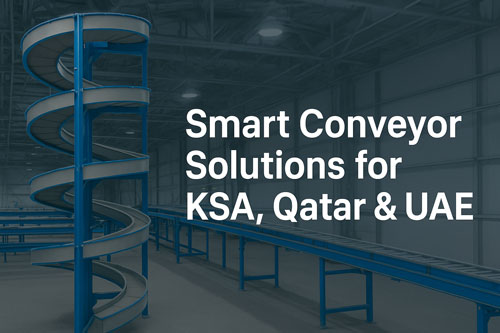
Spiral conveyors are designed for vertical product movement while saving floor space. They are ideal for food factories, e-commerce centers, packaging plants, and bottling lines. Instead of relying on manual lifting or forklifts, spiral conveyors keep goods flowing smoothly between levels. This improves productivity, reduces errors, and makes factories safer.
⚙️ Screw Conveyors
For heavy industries, screw conveyors are the real workhorses. They handle tough bulk materials like sand, cement, minerals, and chemicals—which are vital for Gulf industries such as construction, mining, and petrochemicals. With designs for horizontal, vertical, or inclined transport, screw conveyors ensure reliability and durability under the harshest conditions.
📈 Why Gulf Companies Are Investing Now
What makes Gulf businesses unique is their focus on automation and smart solutions. Companies are no longer buying just equipment—they want automated conveyor systems with intelligent controls, real-time monitoring, and predictive maintenance. This shift supports national visions like Saudi Vision 2030 and the UAE’s Industry 4.0 strategy, both of which emphasize innovation and sustainable growth.
🌟 The Benefits at a Glance
-
Better space utilization with spiral conveyors
-
Safe, continuous flow of goods and materials
-
Strong, reliable transport for heavy-duty industries
-
Lower labor costs and reduced risks
-
Smart automation for long-term efficiency
💡 The Bottom Line
For factories and warehouses in the Gulf, adopting spiral and screw conveyors is not just an upgrade—it’s a necessity. These systems boost productivity, cut costs, and prepare industries for the future. Whether it’s a spiral conveyor in Qatar’s logistics hub or a screw conveyor in Oman’s mining sector, these technologies are helping businesses lead the way in the Gulf’s competitive market.
Explore our full range of industrial conveyors
Learn how automated conveyor systems can cut costs
Discover ENTRA’s material handling solutions across the Gulf
by admin | Sep 15, 2025 | Articles, Blog
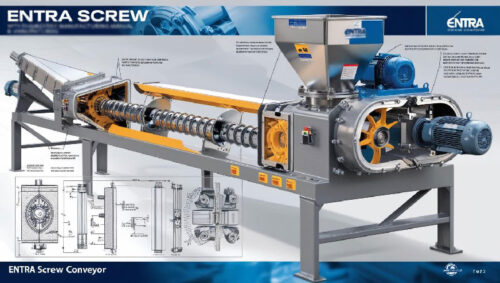
في عالم الصناعات الثقيلة والعمليات الإنتاجية، عملية مناولة المواد (Bulk Material Handling) تعتبر العمود الفقري لأي مصنع. من بين كل أنظمة المناولة، يظل screw conveyor أو ما يُعرف بالناقل الحلزوني، واحد من أكثر الحلول كفاءة ومرونة.
من مصانع الأسمنت لحد الصناعات الغذائية، السيستم ده بيوفر نقل المواد الصلبة أو شبه السائلة بشكل مستمر وسلس.
في المقال ده هنتكلم بالتفصيل عن:
-
إيه هو الـ screw conveyor؟
-
مكوناته الأساسية وطريقة عمله.
-
أهم التطبيقات الصناعية.
-
مزايا وعيوب التصميم.
-
ليه ENTRA Electromechanical من أفضل الشركات المصنعة والموردة في مصر والشرق الأوسط.
⚙️ ما هو الـ Screw Conveyor؟
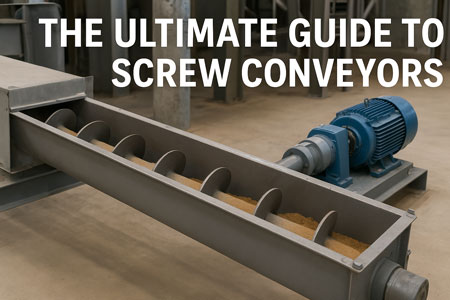
الـ Screw Conveyor هو نظام نقل يعتمد على لولب حلزوني معدني (screw shaft) بيدور داخل مجرى أنبوبي أو على شكل حوض. الدوران ده بيدفع المواد من نقطة بداية (inlet) لنقطة نهاية (outlet).
بيتميز إنه:
-
ينقل المواد أفقياً، رأسياً، أو بزاوية.
-
يقدر يتعامل مع مواد جافة، بودرة، حبوب، أو حتى مواد لزجة زي الطين والرمال المبللة.
-
مرن في التصميم، يعني ممكن يتفصل حسب متطلبات كل مصنع.
🔩 المكونات الرئيسية للـ Screw Conveyor
-
Screw Shaft (اللولب الحلزوني): الجزء الأساسي اللي بيعمل عملية النقل.
-
Trough أو Casing: المجرى اللي بيمشي فيه اللولب.
-
Inlet & Outlet: مداخل ومخارج المواد.
-
Drive Unit: الموتور والجيربوكس اللي بيوفروا الحركة.
-
Bearings & Seals: لتحمل الاحتكاك ومنع التسريب.
🏭 التطبيقات الصناعية
1. صناعة الأسمنت والخرسانة
لنقل البودرة الأسمنتية والرمال.
2. الصناعات الغذائية
زي نقل الحبوب، الدقيق، السكر.
3. الصناعات الكيميائية
المواد البودرية أو الكيماويات الحبيبية.
4. معالجة النفايات
نقل الحمأة أو المخلفات الصناعية.
5. التعدين والمحاجر
الرمال الثقيلة، الفحم، والمعادن المطحونة.
✅ مميزات الـ Screw Conveyors
-
تصميم بسيط وسهل الصيانة.
-
كفاءة عالية في نقل المواد السائبة.
-
مرونة في الاتجاهات (أفقي/رأسي).
-
استهلاك طاقة منخفض مقارنة بالأنظمة الأخرى.
-
إمكانية النقل مع الخلط في نفس الوقت (screw feeder).
⚠️ العيوب
-
غير مناسب للمسافات الطويلة جدًا.
-
تآكل أسرع لو المواد خشنة أو حادة.
-
محتاج صيانة دورية للـ bearings والـ seals.
🛠️ تصميم الـ Screw Conveyor
لما تيجي تصمم ناقل حلزوني، لازم تاخد بالك من:
-
نوع المادة المنقولة (كثافة – لزوجة – حجم الحبيبات).
-
زاوية النقل (كلما زادت الزاوية، قلت الكفاءة).
-
معدل التدفق المطلوب (capacity).
-
المواد المصنعة (ستانلس ستيل للصناعات الغذائية، كربون ستيل للصناعات الثقيلة).
🌍 ENTRA Electromechanical ودورها في الشرق الأوسط
شركة ENTRA Electromechanical بتعتبر من الشركات الرائدة في تصميم وتصنيع industrial screw conveyors في مصر والشرق الأوسط.
-
حلول مصممة خصيصًا حسب متطلبات المصنع.
-
خبرة في توريد أنظمة كاملة لمصانع الأسمنت، الكيماويات، والأغذية.
-
جودة أوروبية مع سعر منافس للسوق المحلي.
📊 مقارنة بين Screw Conveyors وأنظمة النقل الأخرى
| النظام |
المميزات |
العيوب |
أفضل استخدام |
| Screw Conveyor |
مرونة – كفاءة – تصميم مخصص |
محدود في المسافات الطويلة |
مواد سائبة/بودرة |
| Belt Conveyor |
مناسب لمسافات طويلة – حمولة أكبر |
يحتاج مساحة أكبر |
خطوط إنتاج مستمرة |
| Pneumatic Conveying |
سرعة – نقل مواد خفيفة لمسافات طويلة |
استهلاك طاقة عالي |
الحبوب، البودرة الخفيفة |
🔬 أنواع الـ Screw Conveyors بالتفصيل
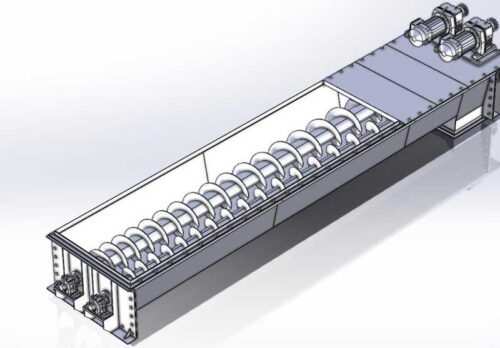
الـ screw conveyors مش نوع واحد، لكن ليهم تصنيفات متعددة حسب طريقة التصميم والاستخدام:
-
Horizontal Screw Conveyors
-
Inclined Screw Conveyors
-
مخصص للنقل بزوايا (عادة أقل من 45 درجة).
-
كل ما بتزيد الزاوية، الكفاءة بتقل.
-
بيستخدم في خطوط الإنتاج اللي بتحتاج رفع المواد من مستوى لآخر.
-
Vertical Screw Conveyors
-
Shaftless Screw Conveyors
-
Screw Feeders
🧰 عوامل اختيار Screw Conveyor المناسب
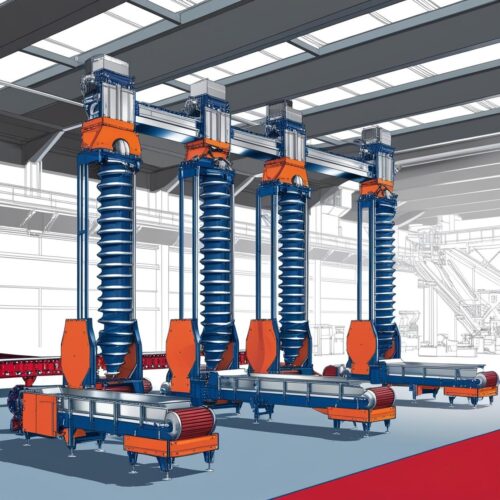
عند شراء أو تصميم screw conveyor system، لازم الشركات تاخد بالها من:
-
طبيعة المادة: جافة ولا رطبة – خشنة ولا ناعمة.
-
كثافة المادة الظاهرية (Bulk Density): مثلًا، الاسمنت له كثافة مختلفة عن الحبوب.
-
قدرة النقل (Capacity): هل المصنع محتاج 10 طن/ساعة ولا 100 طن/ساعة؟
-
المسافة والزاوية: ناقل أفقي لمسافة قصيرة ولا ناقل رأسي داخل برج إنتاجي.
-
البيئة التشغيلية: درجة الحرارة – الرطوبة – وجود مواد كيميائية.
🛡️ الصيانة والعمر الافتراضي
-
التشحيم الدوري للـ bearings.
-
استخدام مواد مقاومة للتآكل (Stainless Steel أو Hardox) لو المواد المنقولة خشنة.
-
التفتيش الدوري على الـ seals لتجنب تسرب المواد.
-
ضبط السرعة حسب نوع المادة عشان مايحصلش انسداد أو ضغط زائد.
🔧 الشركات اللي بتطبق سياسات صيانة وقائية (Preventive Maintenance) بتوفر لحد 30% من التكاليف التشغيلية مقارنة بالصيانة بعد الأعطال.
🌟 حالات دراسية (Case Studies)
مصنع أسمنت في السعودية:
اعتمد على 3 ناقلات حلزونية أفقية بقدرة 50 طن/ساعة لنقل البودرة من صوامع التخزين لخط التعبئة. النتيجة:
مصنع أغذية في الإمارات:
استخدم screw feeders لنقل وضبط كميات السكر في خط الإنتاج. النتيجة:
🌍 الاتجاهات المستقبلية للـ Screw Conveyors
🏗️ التصميم الميكانيكي للـ Screw Conveyors
الناقلات الحلزونية مبنية على فكرة بسيطة: لولب (screw) بيلف داخل حوض (trough) وبيزق المواد لقدام. بس رغم بساطتها، التفاصيل الهندسية بتفرق جدًا:
-
القطر (Diameter): بيتراوح عادة بين 150 مم لحد 600 مم حسب كمية النقل المطلوبة.
-
خطوة اللولب (Pitch): المسافة بين كل لفة للتانية. لو الخطوة قصيرة، يبقى معدل النقل أقل لكن القوة أكبر، والعكس صحيح.
-
سمك الريشة (Flight Thickness): كل ما زاد السمك، زادت المتانة ومقاومة التآكل.
-
المادة المصنوعة منها (Material of Construction):
-
ستانلس ستيل: مناسب للغذاء والدواء.
-
كاربون ستيل: للصناعات العادية.
-
سبائك مقاومة للتآكل: للرمال أو المواد الكاشطة
⚖️ مقارنة بين Screw Conveyors وأنواع تانية من المناولة
كتير من مديري المصانع بيسألوا: ليه أختار ناقل حلزوني ومش ناقل سير (Belt) أو ناقل هوائي (Pneumatic)؟
🏭 تطبيقات واقعية في الخليج
📌 الخلاصة
الـ screw conveyors مش مجرد وسيلة نقل، لكن عنصر استراتيجي في أي مصنع حديث. من اختيار التصميم المناسب لحد الصيانة والدمج مع الأتمتة، كل خطوة بتفرق في الإنتاجية والتكلفة.
وده اللي بيخلي شركات كبرى في مصر والخليج تثق في ENTRA Electromechanical كمزود معتمد لحلول مناولة المواد.
by admin | Aug 27, 2025 | Blog, Articles
Introduction
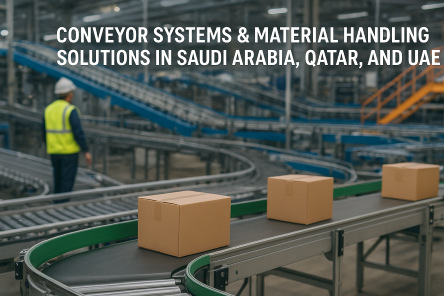
In today’s competitive industrial landscape, efficiency is the key driver of profitability. Whether you operate in manufacturing, logistics, food and beverage, pharmaceuticals, oil and gas, or mining, your ability to move raw materials, semi-finished products, or packaged goods quickly and reliably determines your output and your bottom line. Across the Middle East — particularly in Saudi Arabia, Qatar, and the United Arab Emirates (UAE) — companies are investing heavily in modern conveyor systems and advanced material handling solutions to keep up with demand and align with national visions like Saudi Vision 2030 and UAE’s Industry 4.0 strategy.
This article explores how conveyor systems and material handling equipment are transforming industries across the Gulf, the types of conveyors available, how businesses can choose the right solutions, and why investing in automation and smart handling is no longer optional but essential.
Why Conveyor Systems Matter in the Gulf
The Gulf region is witnessing rapid industrial expansion. Saudi Arabia is developing massive industrial cities such as Jubail and Yanbu, Qatar is scaling up logistics and construction projects linked to energy exports, and the UAE continues to dominate in trade, warehousing, and e-commerce logistics.
All these industries rely on efficient material movement, and conveyors are at the heart of this transformation.
Key drivers for adopting conveyor systems in Saudi, Qatar, and UAE include:
-
Labor shortages & costs – Automated conveyors reduce reliance on manual handling.
-
Faster production cycles – Industries require continuous material flow without bottlenecks.
-
Health & safety compliance – Minimizing heavy lifting reduces workplace injuries.
-
Scalability – Conveyor systems can be expanded as production grows.
-
Global competitiveness – Companies in the Gulf must meet international standards of efficiency to compete.
Types of Conveyor Systems Used in Saudi Arabia, Qatar, and UAE
Different industries demand different solutions. Below are the most common conveyor systems widely used across the Gulf region:
1. Belt Conveyors
-
Ideal for: Food processing, packaging, warehouses, and airport baggage handling.
-
Advantages: Cost-effective, reliable, and customizable for different materials.
-
Example: In Riyadh’s food factories, belt conveyors streamline packaging lines for faster delivery to retailers.
2. Roller Conveyors
-
Ideal for: Pallet handling, carton movement, distribution centers.
-
Used heavily in: UAE logistics warehouses and Saudi automotive assembly lines.
-
Benefit: Excellent for moving heavy loads across long distances.
3. Chain Conveyors
-
Used in: Heavy industries like cement plants, mining, and steel production.
-
Benefit: Can transport bulk materials and withstand high temperatures.
-
Example: Saudi mining companies rely on chain conveyors to move raw minerals efficiently.
4. Pneumatic Conveyors
-
Ideal for: Powder and granular materials (cement, flour, plastics).
-
Common in: Qatar’s cement and construction materials sector.
-
Benefit: Dust-free, hygienic, and suitable for food-grade environments.
5. Automated Conveyor Systems
-
Smart conveyors integrated with sensors, robotics, and IoT.
-
Common in: UAE’s e-commerce fulfillment centers (e.g., Dubai free zones).
-
Advantage: High-speed sorting and tracking with minimal human input.
Material Handling Solutions Beyond Conveyors
Conveyors are the backbone, but material handling solutions go beyond moving items. In Gulf industries, solutions often include:
-
Automated Storage & Retrieval Systems (AS/RS): Used in UAE warehouses to maximize vertical storage.
-
Pallet Handling Systems: Essential for Saudi logistics hubs where large palletized goods are stored.
-
Lifting & Hoisting Solutions: Cranes and lifts complement conveyors in construction and manufacturing.
-
Bulk Handling Equipment: For cement plants and petrochemical industries in Qatar.
-
Conveyor Accessories: Rollers, belt cleaners, safety guards, and motorized drives for better performance.
Industry Applications in the Gulf
1. Food & Beverage
-
Saudi Arabia: Food factories rely on conveyors for packaging, labeling, and palletizing.
-
Qatar: Flour and sugar mills use pneumatic systems for hygienic handling.
-
UAE: Large beverage plants in Dubai depend on high-speed conveyors to meet export demand.
2. Pharmaceutical & Healthcare
3. Oil & Gas / Petrochemicals
4. Logistics & Warehousing
5. Mining & Construction
-
Bulk conveyors move limestone, bauxite, and aggregates in Saudi and Qatar’s mining industries.
-
Heavy-duty chain conveyors are common in cement plants.
Benefits of Conveyor Systems in KSA, Qatar, and UAE
-
Efficiency – Faster movement of goods across production lines.
-
Scalability – Systems grow with industrial expansion.
-
Reduced Downtime – Automated conveyors minimize stoppages.
-
Safety – Workers face fewer lifting and handling risks.
-
Cost Savings – Lower labor costs and faster ROI.
-
Compliance – Meets ISO and HACCP standards for food and pharma industries.
-
Competitive Advantage – Faster delivery means stronger position in GCC markets.
Choosing the Right Conveyor System
Companies in Saudi Arabia, Qatar, and UAE must evaluate:
-
Type of material (powder, pallet, cartons, liquids).
-
Environment (temperature, humidity, dust).
-
Capacity & speed required.
-
Automation level needed.
-
Integration with existing ERP or warehouse systems.
A good supplier should provide custom conveyor design, installation, and after-sales support.
Why ENTRA Electromechanical is a Leading Choice
For companies seeking reliable conveyor systems and material handling solutions across the Middle East, ENTRA Electromechanical (entra-eg.com) is a trusted partner.
What sets ENTRA apart:
-
15+ years of expertise in conveyor manufacturing.
-
Custom designs for Saudi, Qatar, and UAE industries.
-
High-quality components for durability.
-
Automation-ready solutions with IoT integration.
-
After-sales service & maintenance ensuring smooth operations.
ENTRA has supported projects in food, logistics, mining, and industrial plants, helping companies scale while reducing downtime.
Future Trends: Smart Conveyors in the Gulf
-
IoT & AI-powered conveyors for predictive maintenance.
-
Energy-efficient belts for sustainability.
-
Robotics integration for fully automated factories.
-
E-commerce-driven conveyors in UAE and Saudi warehouses.
These trends align with national goals like Saudi Vision 2030 and UAE’s digital transformation strategies, making conveyors a cornerstone of smart industries.
Conclusion
The demand for conveyor systems and material handling solutions in Saudi Arabia, Qatar, and UAE is only going to grow. With industries expanding and automation becoming essential, conveyors are no longer just optional tools — they are strategic investments that define competitiveness, efficiency, and sustainability.
By choosing the right partner like ENTRA Electromechanical, businesses can access custom-designed conveyors, reliable performance, and cutting-edge automation to meet the challenges of tomorrow.
If your company in the Gulf is looking to increase efficiency, reduce costs, and future-proof operations, it’s time to invest in advanced conveyor systems and material handling solutions.
by admin | Aug 27, 2025 | Blog, Articles
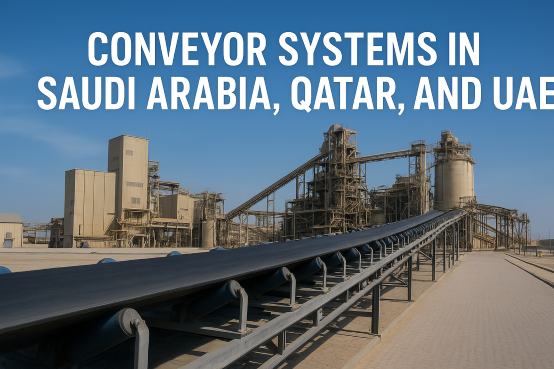
Introduction: Why Conveyor Systems Are Driving Growth in the GCC

The Gulf Cooperation Council (GCC) region—particularly Saudi Arabia, Qatar, and the United Arab Emirates (UAE)—is investing heavily in manufacturing, logistics, mining, and smart warehouses under projects aligned with Vision 2030 (Saudi), Qatar National Vision 2030, and the UAE’s Industrial Strategy 2031.
At the center of this transformation are conveyor systems and material handling equipment, which provide the backbone of modern industrial efficiency. Whether it’s factories in Riyadh, logistics hubs in Doha, or warehouses in Dubai, conveyor automation is essential to increase productivity, reduce costs, and ensure smooth operations.
In this guide, we’ll explore the role of conveyor systems in Saudi Arabia, Qatar, and UAE, covering their applications, benefits, and how they are shaping industries across the GCC.
Conveyor systems are mechanical and automated material handling solutions that transport goods, pallets, bulk items, or packages across a facility.
They are widely used in:
-
Factories → moving raw materials & finished products.
-
Warehouses → fast, efficient pallet & package transport.
-
Airports → baggage handling conveyors.
-
Mining & cement plants → heavy-duty bulk conveyors.
2. Rising Demand for Conveyor Systems in Saudi Arabia, Qatar, and UAE
Across the GCC, conveyor systems are in high demand due to:
-
E-commerce growth → Warehouses in Dubai, Riyadh, and Doha require automated conveyor systems for fast order fulfillment.
-
Manufacturing expansion → Factories in Saudi industrial cities like Jubail and Yanbu are modernizing material handling.
-
Oil, Gas & Mining sectors → Qatar and Saudi bulk handling needs are increasing for cement, oil, and raw materials.
-
Food & Beverage industries → Belt conveyors are crucial in food factories across UAE and KSA.
📌 According to regional logistics reports, the GCC warehouse automation market is projected to grow by double digits annually, with Saudi Arabia leading the sector, followed by UAE and Qatar.
3. Types of Conveyor Systems Used in GCC Industries
Businesses in Saudi Arabia, Qatar, and UAE adopt various conveyors depending on their industry:
3.1 Belt Conveyors
-
Most common in food factories in Saudi and UAE.
-
Ideal for packaging, transporting cartons, and raw materials.
3.2 Roller Conveyors
3.3 Chain Conveyors
3.4 Screw Conveyors
3.5 Automated Conveyor Systems
4. Benefits of Conveyor Systems for Saudi, Qatar, and UAE Companies
Implementing conveyor systems brings major advantages for GCC businesses:
-
Faster Operations – Speed up movement of goods in warehouses and factories.
-
Cost Savings – Reduce manpower required for heavy material handling.
-
Higher Accuracy – Automated conveyors minimize errors.
-
Enhanced Safety – Less manual lifting = fewer workplace injuries.
-
Scalability – Modular conveyor systems can grow with business needs.
5. Conveyor Systems & National Visions (Saudi, Qatar, UAE)
Saudi Arabia (Vision 2030)
-
Focus on smart manufacturing and logistics hubs.
-
Riyadh and Dammam warehouses adopting automated conveyor systems.
-
Mining sector in Eastern Province using bulk conveyors.
Qatar (National Vision 2030)
-
Strong demand for oil, gas, and cement conveyors.
-
Growing need for automated conveyors in Doha logistics centers.
UAE (Industrial Strategy 2031)
6. How to Choose the Right Conveyor System in GCC
When businesses in Saudi, Qatar, or UAE plan to buy conveyors, they must consider:
-
Industry type (food, mining, logistics, pharma).
-
Material specifications (bulk, fragile, heavy).
-
Automation level (manual, semi-auto, or full automation).
-
Budget & scalability needs.
💡 Example: A logistics company in Dubai may need a fully automated conveyor with barcode scanners, while a cement plant in Saudi requires heavy-duty screw conveyors.
7. ENTRA Electromechanical: Your Conveyor Partner in GCC
At ENTRA Electromechanical, we provide conveyor systems and material handling solutions tailored for Saudi Arabia, Qatar, and UAE industries. With 15+ years of experience, we supply:
-
Belt conveyors for food and packaging.
-
Roller & pallet conveyors for warehouses.
-
Screw conveyors for bulk handling.
-
Automated conveyor systems for logistics hubs.
✅ Serving clients across Egypt, KSA, Qatar, and UAE, ENTRA is expanding as a regional conveyor leader.
8. Case Examples of Conveyor Use in GCC
-
Jeddah Logistics Hubs (Saudi) → Automated parcel sortation conveyors.
-
Doha Cement Industry (Qatar) → Screw conveyors for bulk material transport.
-
Dubai E-commerce Warehouses (UAE) → AI-powered conveyor systems for same-day delivery.
9. Future of Conveyor Systems in Saudi, Qatar, and UAE
The next decade will bring:
-
IoT-enabled conveyors for predictive maintenance.
-
Energy-efficient conveyors supporting sustainability goals.
-
AI-driven automation across GCC logistics.
-
Smart factories with fully integrated conveyors.
Conclusion
Conveyor systems in Saudi Arabia, Qatar, and UAE are transforming industries by providing faster, safer, and more efficient material handling solutions. From factories in Riyadh to logistics centers in Doha and warehouses in Dubai, conveyors are essential for industrial growth and competitiveness.
At ENTRA Electromechanical, we are ready to be your trusted conveyor supplier in GCC, providing custom-built solutions for every sector.
👉 Contact us today to get a customized conveyor system design and quotation for your Saudi, Qatari, or UAE business.
by admin | Aug 26, 2025 | Blog, Articles
Introduction: Why Conveyor Systems Are Critical for Saudi Arabia’s Growth
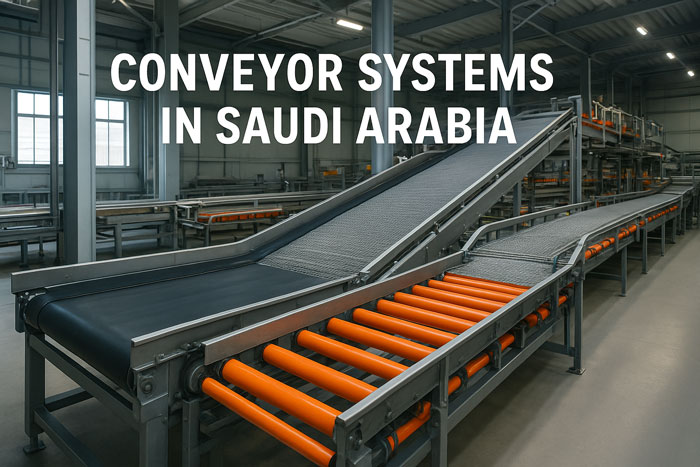
Saudi Arabia is experiencing rapid industrial growth under Vision 2030, with heavy investment in manufacturing, logistics, mining, and warehousing. For these industries, efficient material handling is no longer a luxury—it’s a necessity. Conveyor systems are the backbone of modern production and logistics, helping companies move goods faster, reduce labor costs, and minimize downtime.
In this guide, we’ll explore everything you need to know about conveyor systems in Saudi Arabia, from types and benefits to real applications in Saudi industries.

1. What Are Conveyor Systems?
Conveyor systems are automated material handling solutions designed to transport products, pallets, or bulk materials across production lines, warehouses, or distribution centers.
Key advantages:
-
Efficiency: Faster movement of goods compared to manual labor.
-
Cost-saving: Lower workforce requirements.
-
Safety: Reduced accidents in material handling.
-
Scalability: Can handle small items to heavy bulk loads.
2. The Growing Demand for Conveyor Systems in Saudi Arabia
Saudi Arabia’s economy is diversifying, and several sectors are fueling the demand for conveyors:
-
Food & Beverage Factories in Jeddah, Riyadh, and Dammam use belt conveyors for packaging lines.
-
Logistics & Warehousing facilities (like Amazon KSA and Aramex) rely on automated conveyors for sorting parcels.
-
Mining & Cement industries in the Eastern Province need heavy-duty conveyors for bulk handling.
-
Pharmaceutical & Healthcare companies use conveyor systems for precise product handling.
📌 Fun fact: By 2030, Saudi’s logistics market is projected to be worth $25 billion, creating huge opportunities for conveyor solution providers.
3. Types of Conveyor Systems Used in Saudi Arabia
When Saudi companies search for conveyor systems, they usually need specific solutions tailored to their sector. Let’s break down the most popular conveyor types in KSA:
3.1 Belt Conveyors
-
Most common in food, beverage, and packaging sectors.
-
Ideal for transporting boxes, cartons, and bulk products.
3.2 Roller Conveyors
3.3 Chain Conveyors
3.4 Screw Conveyors
-
Common in cement, fertilizer, and chemical plants.
-
Moves powdery or granular materials.
3.5 Automated Conveyor Systems
-
Smart conveyors integrated with sensors, motors, and automation software.
-
Essential for modern Saudi warehouses and fulfillment centers.
4. Key Benefits of Conveyor Systems for Saudi Companies
Conveyors provide a wide range of advantages that directly impact productivity and profitability:
-
Reduce Labor Costs → Less reliance on manual handling.
-
Increase Speed → Faster processing in warehouses and factories.
-
Improve Accuracy → Automated sorting reduces human error.
-
Boost Safety → Fewer accidents from lifting and carrying.
-
Scalable Solutions → Adaptable for SMEs and large enterprises.
5. Conveyor Systems & Saudi Vision 2030
Saudi Vision 2030 is driving massive transformation in the kingdom’s industrial and logistics sectors. Conveyor systems directly support this vision by:
-
Enhancing manufacturing productivity.
-
Enabling smart warehouses for e-commerce.
-
Supporting sustainable operations by reducing energy waste.
-
Attracting foreign investors who require advanced infrastructure.
📌 Example: Warehouses in King Abdullah Economic City (KAEC) are already implementing automated conveyor systems to meet global logistics standards.
6. Choosing the Right Conveyor System in Saudi Arabia
When Saudi businesses consider investing in conveyors, they should evaluate:
-
Type of material (bulk, palletized, boxes, fragile items).
-
Industry (food, mining, logistics, etc.).
-
Capacity & speed requirements.
-
Automation level (manual, semi-automated, fully automated).
-
Space availability in the facility.
💡 Pro Tip: Always work with a specialized conveyor system provider that understands Saudi industry standards and regulations.
7. ENTRA Electromechanical: Your Conveyor Partner in Saudi Arabia
At ENTRA Electromechanical, we specialize in designing and manufacturing conveyor systems tailored for Middle Eastern industries. With 15+ years of experience, we provide:
-
Belt conveyors for food and packaging.
-
Roller & pallet conveyors for warehouses.
-
Screw conveyors for cement and chemicals.
-
Automated conveyor systems for smart factories.
✅ We already serve factories across Egypt and the Middle East—and now expanding to Saudi Arabia with reliable, cost-effective solutions.
8. Real Applications in Saudi Arabia
-
Jeddah Warehousing Hubs → Automated sortation conveyors for e-commerce parcels.
-
Riyadh Food Factories → Belt conveyors for packaging and distribution.
-
Eastern Province Mining Plants → Heavy-duty bulk conveyors for raw materials.
Each sector has unique needs, but conveyors remain the common backbone for efficiency.
9. How to Get Conveyor Systems in Saudi Arabia
Getting started is simple:
-
Contact ENTRA Electromechanical via website or WhatsApp.
-
Share your factory or warehouse requirements.
-
Receive a customized conveyor design & quotation.
-
Get installation, training, and after-sales support.
📞 We provide direct support to Saudi clients with flexible solutions for every industry.
10. Future of Conveyor Systems in Saudi Arabia
The next 5 years will see:
-
More automation in warehouses.
-
Smart conveyors with IoT integration.
-
Energy-efficient conveyor systems supporting sustainability.
-
AI-driven material handling solutions.
Saudi companies adopting these technologies early will gain a competitive edge.
Conclusion
Conveyor systems in Saudi Arabia are no longer optional—they’re a must-have for growth, efficiency, and competitiveness. Whether you operate a factory, a warehouse, or a logistics center, investing in the right conveyor solution will help you save costs, improve productivity, and align with Saudi Vision 2030 goals.
At ENTRA Electromechanical, we are ready to be your trusted partner for conveyor systems in Saudi Arabia.
👉 Contact us today for a free consultation and discover how we can optimize your material handling operations.
by admin | Aug 4, 2025 | Blog, Articles
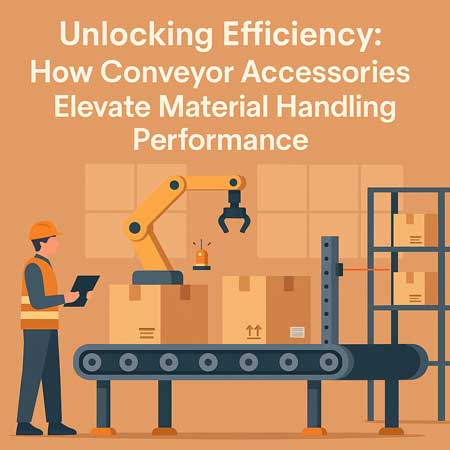
🏗️ Introduction: The Hidden Power of Conveyor Accessories
In the world of material handling, conveyor systems take center stage—but the real efficiency often comes from the unsung heroes: conveyor accessories.
Whether you’re optimizing speed, safety, or functionality, choosing the right accessories can drastically improve your system’s performance. For industries relying on ENTRA Electromechanical conveyor solutions, accessories are not optional add-ons—they are integral to a well-oiled production line.
From rollers and sensors to side guides and diverters, these accessories fine-tune your operations and ensure your conveyor system works smarter, not harder.
🔧 1. What Are Conveyor Accessories?
Conveyor accessories refer to components added to a base conveyor to expand its functionality, improve safety, and enhance performance. These can be mechanical, electrical, or digital—each designed to address a specific operational need.
Common Types Include:
-
Conveyor rollers & idlers
-
Side guides & guardrails
-
Photoelectric sensors
-
Metal detectors
-
Skirts and scrapers
-
Diverters and sortation units
-
Emergency stop buttons
-
Drip pans and belt cleaners
✅ ENTRA Electromechanical offers tailor-made conveyor accessories designed for both belt and roller conveyors, fully compatible with Egyptian and GCC industry standards.
⚙️ 2. Why Conveyor Accessories Matter for Material Handling Efficiency
Without the right accessories, even the most advanced conveyor system may underperform. Here’s how conveyor accessories directly impact industrial outcomes:
🟩 A. Reduced Downtime
Belt cleaners and scrapers minimize debris accumulation, preventing jams and reducing maintenance intervals.
🟨 B. Enhanced Safety
Guardrails, emergency stops, and anti-slip features reduce workplace accidents—a critical factor in food, pharma, and logistics industries.
🟦 C. Increased Throughput
Accessories like diverters and motorized switches help control product flow and sorting, improving system adaptability.
🟧 D. Cost Efficiency
Modular accessory upgrades are often cheaper than overhauling full conveyor systems, offering a strong ROI.
🏭 3. Top Accessories Used in Egyptian Manufacturing Plants
ENTRA Electromechanical, headquartered in Giza, Egypt, provides the following accessories for various industries:
| Accessory |
Use Case |
Industry |
| Side guides |
Prevent product fall-off |
FMCG, Retail, Warehousing |
| Metal detectors |
Quality control |
Food & Pharma |
| Rollers & Idlers |
Smooth motion |
Heavy Manufacturing |
| Diverters |
Sorting |
Packaging |
| Sensor units |
Speed and location control |
E-commerce logistics |
💡 4. How to Select the Right Conveyor Accessories
When choosing conveyor accessories, consider the following:
-
Conveyor Type: Belt vs. Roller vs. Slat
-
Material Type: Size, shape, weight, fragility
-
Speed & Volume: High-speed conveyors may need advanced sensors or diverters
-
Environment: Dust, moisture, temperature
ENTRA provides on-site consultancy to assess your needs and recommend optimal accessories accordingly.
🤖 5. Automation-Ready Conveyor Accessories
Industry 4.0 is reshaping logistics. Smart conveyor accessories enable seamless integration with PLC systems, ERP, and IoT sensors.
Must-Have Automation Components:
-
Photoelectric Sensors: Detect presence and direction of items
-
Barcode Scanners: For WMS integration
-
Pneumatic Pushers: For automated sorting
-
Motorized Rollers: Controlled acceleration & deceleration
-
Servo Diverts: High-speed lane switching
🧠 ENTRA integrates Siemens and Schneider Electric accessories for enhanced automation in Egypt’s top logistics hubs.
🔄 6. Maintenance & Reliability: Accessories that Extend Lifespan
Proper accessory implementation reduces wear and tear on your conveyor system.
Maintenance-Friendly Components:
By scheduling preventive maintenance based on accessory sensor data, facilities can cut downtime by over 30%.
📈 7. Case Study: Conveyor Accessory Upgrade at a Giza Cold Storage Facility
Client: Large-scale food distributor
Problem: Belt contamination due to excess product debris
Solution:
-
ENTRA-installed dual-blade belt cleaners
-
Side skirts to minimize product spill
-
Metal detector unit for outbound QA
Result:
🏆 8. Why ENTRA Electromechanical ?
-
🇪🇬 Egyptian manufacturing with GCC-standard quality
-
🛠️ Customized accessories for legacy and modern systems
-
🖥️ Full integration with SCADA, WMS & ERP platforms
-
🧩 Modular upgrades for every conveyor type
-
💬 Post-sales service and annual accessory servicing
Visit entra-eg.com or request a free accessory assessment today.
🔚 Conclusion: Small Add-ons, Big Impact
In a competitive manufacturing landscape, every second counts—and every component matters. Conveyor accessories may seem minor, but they are critical for achieving precision, speed, and safety.
By partnering with ENTRA Electromechanical, Egyptian and Middle Eastern manufacturers gain access to customized, high-performance accessory solutions tailored to their exact needs.