
Production floor level changes
Transfer compatible products between conveyors at different elevations.
Vertical product transfer
Purpose-designed vertical transfer equipment for moving compatible products or loads between conveyor levels.
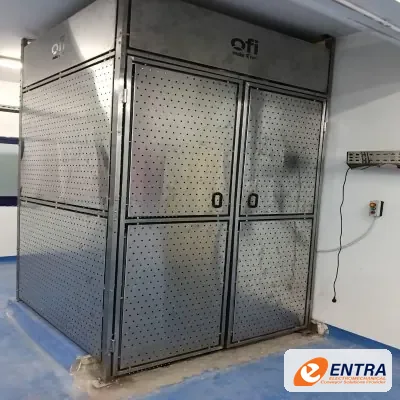
Overview
Industrial elevators and lowerators transfer products vertically when a horizontal conveyor cannot bridge the required level change. The lifting principle may use a platform, carrier, cleat, bucket, gripper or other product-specific support. The equipment principle must be selected from the load and transfer duty rather than inferred from the word elevator.
Transfer compatible products between conveyors at different elevations.
Present products to elevated or recessed machinery with controlled transfer.
Use a suitable carrier or platform arrangement where intermediate buffering is required.
Use vertical movement to reduce long ramps or avoid obstructing floor-level traffic.
Operating principle
Industrial elevators and lowerators transfer products vertically when a horizontal conveyor cannot bridge the required level change. The lifting principle may use a platform, carrier, cleat, bucket, gripper or other product-specific support. The equipment principle must be selected from the load and transfer duty rather than inferred from the word elevator.
A simplified illustration of the motion — not to scale and not a performance simulation.
Available configurations
Lift table or platform for compatible discrete loads.
Carrier-based continuous transfer where the product and duty support it.
Controlled downward transfer between line levels.
Custom carrier, gripper or transfer concept after product assessment.
Technical design basis
These items identify the information used to engineer this equipment. Numerical limits appear only where the referenced catalogue supports them; other values are confirmed for each project.
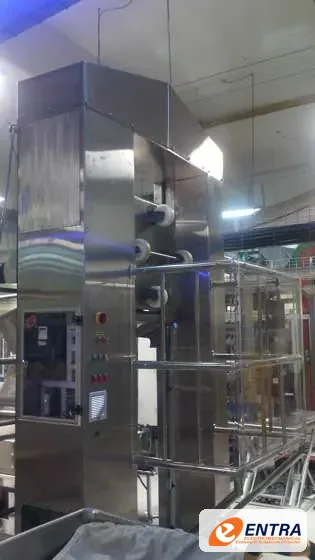
The ENTRA gallery includes two elevator references. They are shown as general elevator equipment and are not labelled as side-gripper systems. No rated load or travel speed is assumed.
| Lift height & travel | Defined from floor levels, machine interfaces and installation envelope. |
|---|---|
| Rated load | Established from product mass, carrier mass, dynamic effects and safety design. |
| Cycle / throughput | Calculated from travel, loading, unloading, dwell and control sequence. |
| Safety functions | Defined by risk assessment, access conditions and applicable machinery requirements. |
Engineering considerations
A useful proposal starts with operating conditions and interfaces. Final sizing is confirmed by engineering review.
Product dimensions, mass, centre of gravity, support points, carrier geometry and retention.
Lift height, infeed and outfeed elevations, cycle rate, dwell and transfer sequence.
Risk assessment, guarding, access doors, interlocks, overload protection and safe maintenance access.
Position sensing, sequencing, VFD/servo requirements, machine handshake and fault recovery.
Photographs
Captions identify the equipment shown; a photo is not a claim that every image is a completed installation of the exact configuration described.
ENTRA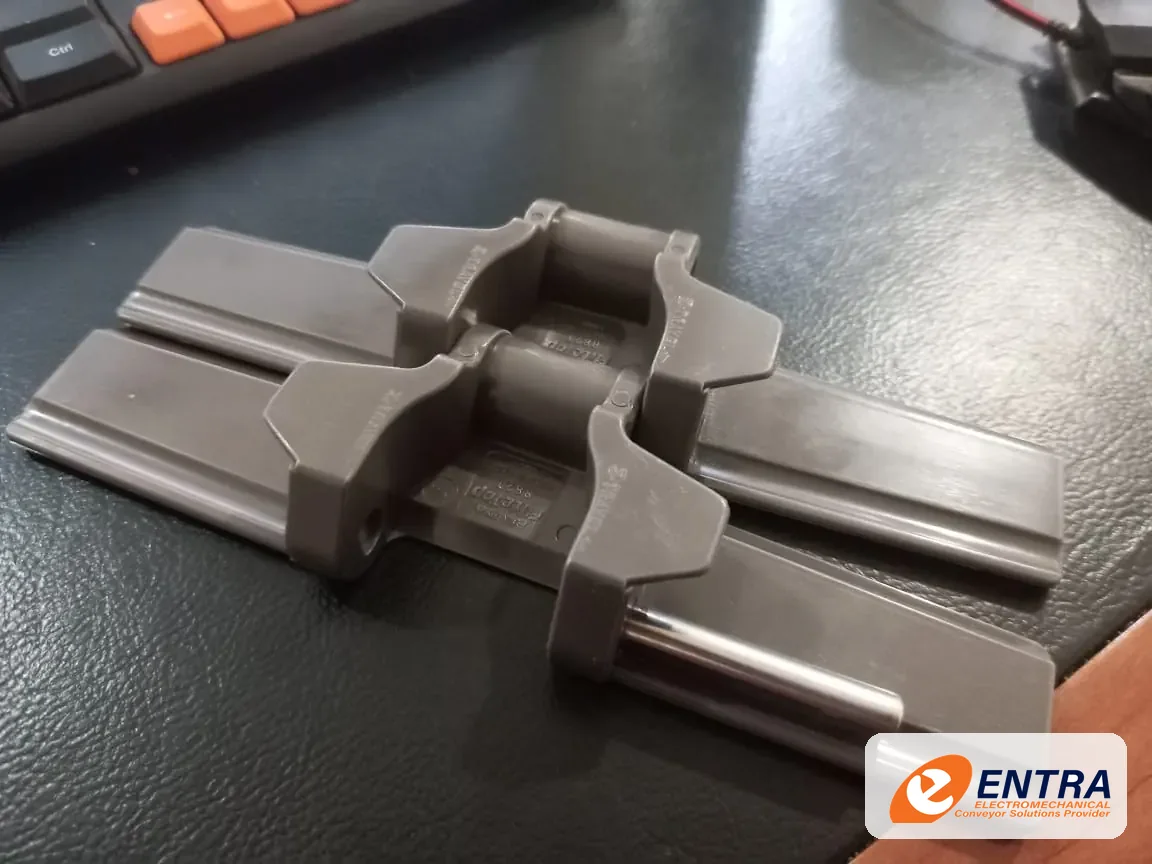 ENTRA
Related equipment
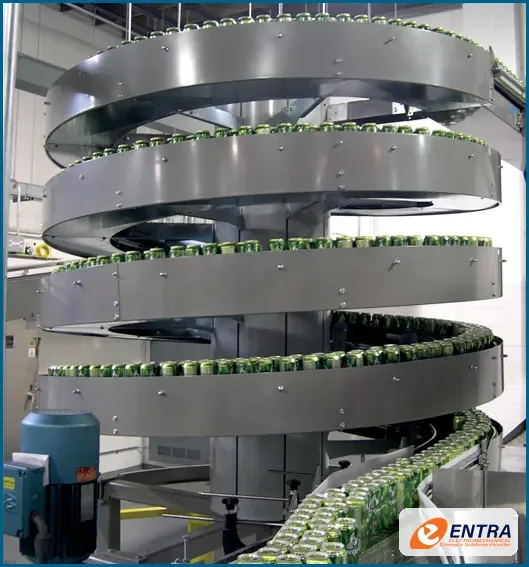
Continuous vertical conveying for production lines that need elevation, accumulation or controlled cooling wi…
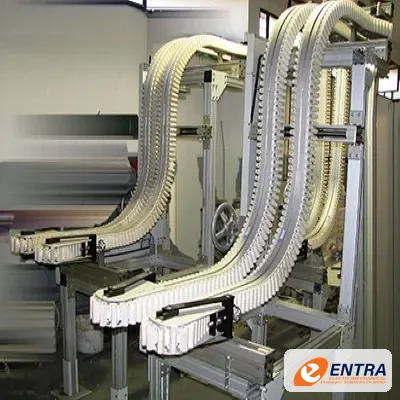
Opposed gripping belts hold suitable products at their sides to move them vertically, invert them or connect …
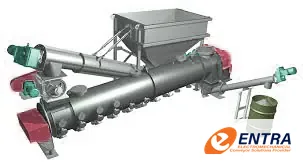
Meter, feed and transfer powders, granules and suitable bulk solids using a rotating helical flight in a trou…
Engineered stations for controlled tipping, tilting or reorientation of compatible products, containers and l…
Request a quotation
Share the product, the layout and what the line has to do. An ENTRA engineer reviews every enquiry and replies with questions or a proposal.
