
Pallet exchange
Move a load from one pallet type to another, for example before hygienic or export areas.
Pallet handling
Pallet inverters that clamp a full load and turn it over to exchange pallets or recover goods without restacking by hand.
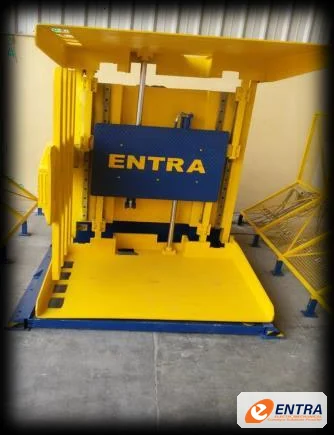
Overview
A pallet inverter grips a complete pallet load between two clamping platens and rotates it, typically through 180 degrees. The pallet can then be removed and replaced, for example to change from a wooden to a plastic or hygienic pallet, to recover goods from a damaged pallet, or to turn a load over for a process step. Clamping force, rotation and controls are selected for the load so it stays stable throughout the cycle.
Move a load from one pallet type to another, for example before hygienic or export areas.
Transfer goods from a broken pallet onto a new one without unloading by hand.
Turn a complete load over when a process or storage step requires it.
Operating principle
A pallet inverter grips a complete pallet load between two clamping platens and rotates it, typically through 180 degrees. The pallet can then be removed and replaced, for example to change from a wooden to a plastic or hygienic pallet, to recover goods from a damaged pallet, or to turn a load over for a process step. Clamping force, rotation and controls are selected for the load so it stays stable throughout the cycle.
A 3D visualisation of the equipment — turn it and inspect its components in the gallery.
Available configurations
Load is clamped between platens and rotated to exchange the pallet.
Loads arrive and leave on conveyors for automatic operation.
Loads are placed and removed by forklift or pallet truck.
Technical design basis
These items identify the information used to engineer this equipment. Numerical limits appear only where the referenced catalogue supports them; other values are confirmed for each project.
The photo shows an ENTRA pallet inverter from the ENTRA company profile. Capacities and cycle times are defined per project and are not implied here.
| Load envelope | Defined from the largest and smallest pallet loads to be handled. |
|---|---|
| Clamping | Selected so the load is held without damaging the packaging. |
| Rotation | Angle and speed defined for load stability. |
| Safety | Guarding, interlocks and operator controls defined for the site. |
Engineering considerations
A useful proposal starts with operating conditions and interfaces. Final sizing is confirmed by engineering review.
Load mass, height, footprint, stability, packaging and the pressure it can accept.
Incoming and outgoing pallet types and sizes.
Forklift or conveyor loading, cycle time, guarding and control interfaces.
Photographs
Captions identify the equipment shown; a photo is not a claim that every image is a completed installation of the exact configuration described.
ENTRARelated equipment
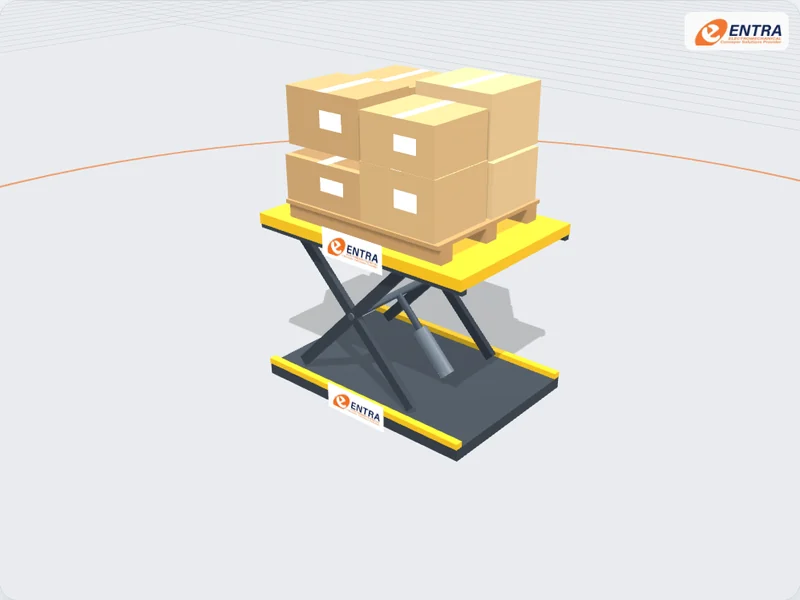
Scissor lift tables that raise pallets and heavy loads to a safe working height or to the level of a conveyor…
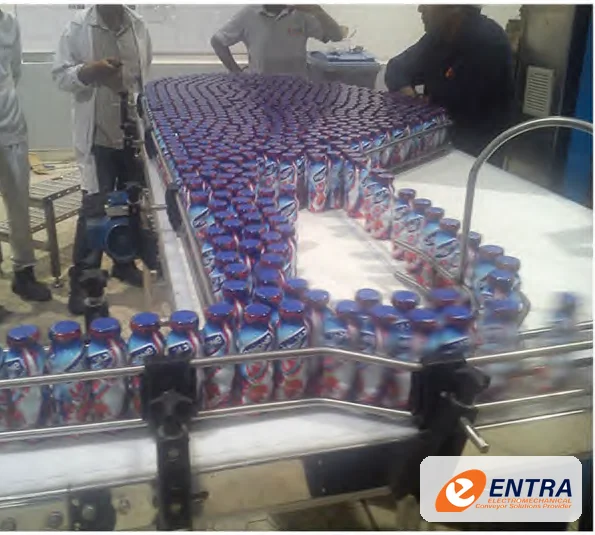
Accumulation tables that buffer products between machines so a short stop downstream does not stop the whole …
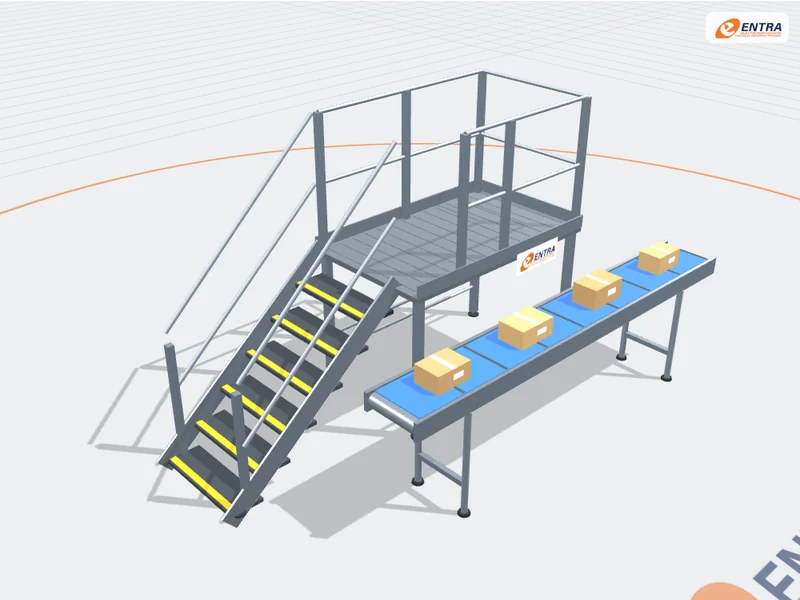
Stainless-steel platforms, stairs and guard rails that give operators safe access to machines and conveyor li…
Request a quotation
Share the product, the layout and what the line has to do. An ENTRA engineer reviews every enquiry and replies with questions or a proposal.
